Bianca Becker · 5 October 2026
Digital Tools Transforming Quality Control in Wood Product Manufacturing
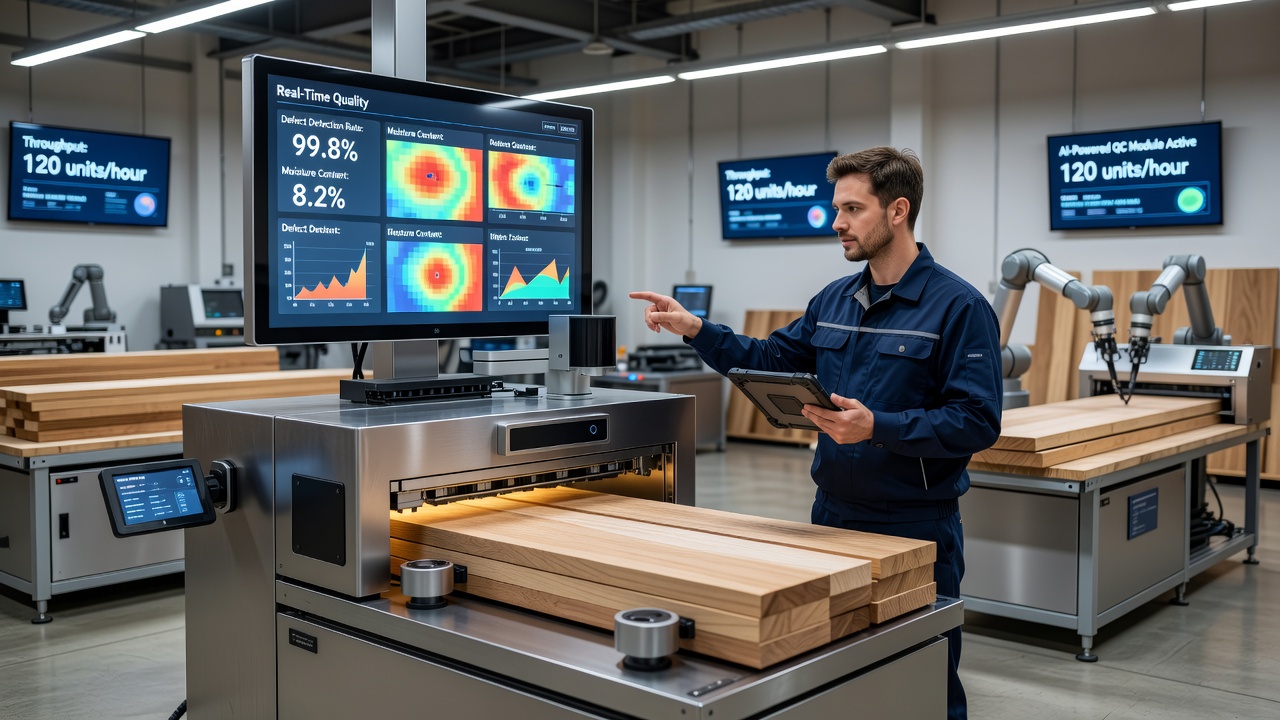
Manufacturing facilities that produce wood products now rely on digital systems to inspect materials at multiple stages, and these tools catch inconsistencies that manual checks often miss. Sensors mounted along conveyor lines measure moisture content, density variations, and surface irregularities in real time while software algorithms flag boards that fall outside set tolerances. Data collected during these inspections feeds directly into production adjustments so operators can correct issues before defects move further down the line.
Machine Vision and Automated Inspection
High-resolution cameras paired with machine learning models examine every plank for knots, splits, and discoloration as the material travels through the mill, and systems developed in Canadian research centers have documented accuracy rates above 95 percent in controlled trials. European manufacturers have adopted similar setups since 2024 to meet stricter grading standards set by the EU Timber Regulation, which requires precise documentation of product characteristics. The technology processes images at speeds that match high-volume lines, and it records each board's profile so downstream equipment can sort material automatically into different quality grades.
IoT Sensors and Real-Time Monitoring
Wireless sensors embedded in drying kilns track temperature and humidity at multiple points inside each stack, and the readings stream to central dashboards that alert staff when conditions drift from optimal ranges. Plants in the Pacific Northwest began rolling out these networks in 2025, and the continuous data flow has reduced over-drying incidents that previously led to cracking and warping. When combined with barcode or RFID tracking, the same sensors create a complete history for every batch that moves from sawmill to finishing area, which simplifies audits and helps facilities demonstrate compliance during regulatory reviews.
Integration with Production Planning Software
Quality data from vision systems and sensors now links directly to enterprise resource planning platforms, so production schedules adjust automatically when raw material quality falls below expected levels. Australian mills reported in industry briefings that this integration cut rework rates by measurable margins after they installed the combined systems in late 2025. Supervisors receive alerts on mobile devices when trends indicate rising defect counts, and they can pause lines or shift stock to secondary products without waiting for end-of-shift reports.
Artificial Intelligence for Defect Prediction
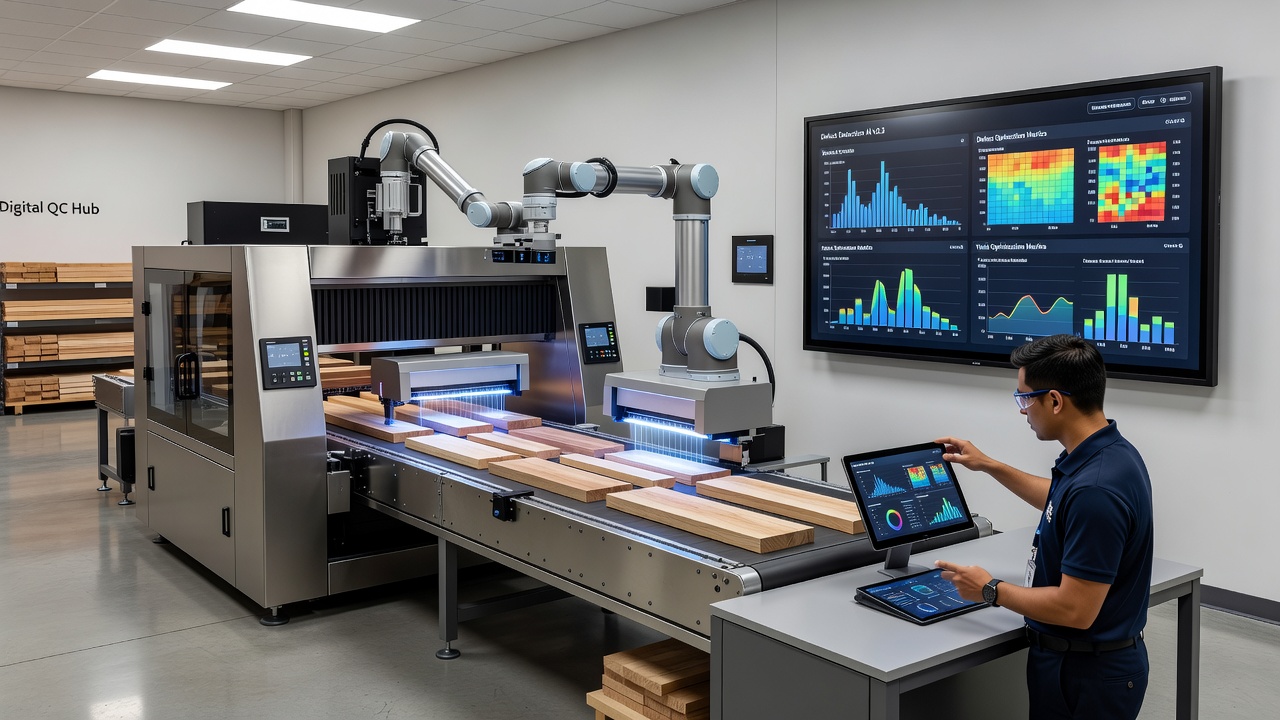
Advanced models analyze historical inspection records alongside environmental variables such as seasonal humidity changes, and they forecast which incoming logs are likely to produce higher defect rates after processing. Facilities using these predictive tools in Scandinavia have shared aggregated findings that show improved yield when planners route lower-grade logs to appropriate product lines early in the schedule. The approach relies on large datasets gathered over multiple seasons, and updates to the models occur quarterly to reflect new species or changing supply sources.
Adoption Trends Through October 2026
Trade associations tracking equipment purchases noted continued growth in digital quality systems across North America and Europe during 2026, with several mid-sized mills completing installations ahead of updated international grading protocols expected the following year. Government reports from the US Forest Service highlight that smaller operations now access scaled-down versions of these tools through cloud services, which lowers the upfront investment that once limited adoption. Observers note that training programs offered by equipment vendors have expanded to cover data interpretation, and workers who complete the courses report faster response times when the systems flag anomalies.
Supply Chain Traceability Enhancements
Digital records created during quality checks travel with each shipment, and importers in multiple regions now require this documentation to verify that products meet both performance and sustainability criteria. Blockchain platforms tested by consortiums in New Zealand link inspection data to origin certificates, which reduces paperwork delays at ports and provides buyers with verifiable details about each consignment. The same records support internal process improvements because managers can trace recurring defects back to specific suppliers or handling steps.
Conclusion
Digital tools have become standard components in wood product quality control because they deliver consistent measurements and traceable records at production speeds that manual methods cannot match. Facilities that combine vision systems, sensors, and connected software gain the ability to adjust processes quickly and maintain documentation required by buyers and regulators. Continued refinement of these technologies through 2026 and beyond will likely expand their use to additional stages of manufacturing while supporting the data demands of global supply networks.